These are the essential skills fresh mechanical engineering graduates should learn
If you’re a fresh mechanical engineering graduate and your job search feels like throwing darts blindfolded. This article is for you. I’ve pulled together a no-nonsense list of essential skills you need to become job-ready. This isn’t just fluff from a textbook; it’s a mix of my industry experience and hundreds of real job descriptions [ ]
If you’re a fresh mechanical engineering graduate and your job search feels like throwing darts blindfolded.
This article is for you.
I’ve pulled together a no-nonsense list of essential skills you need to become job-ready.
This isn’t just fluff from a textbook; it’s a mix of my industry experience and hundreds of real job descriptions I’ve combed through.
But first let me make this clear, you don’t need to master everything. Think of it like a buffet: taste broadly, specialize wisely.
You’ll need wide knowledge to open more job doors, but in any single role, you’ll only master a few of the skills that I am mentioning here.
If you prefer here is the video format of this article as well.
So, let’s start with the non-negotiable skills first.
AutoCAD and one parametric software
First one in my list is AutoCAD and one 3D parametric software like SolidWorks, CATIA or Creo.
AutoCAD is the universal language of engineering drawing, so you should learn it as first CAD software. Then, pick ONE 3D tool like SolidWorks, Creo or Catia and get seriously good at it.
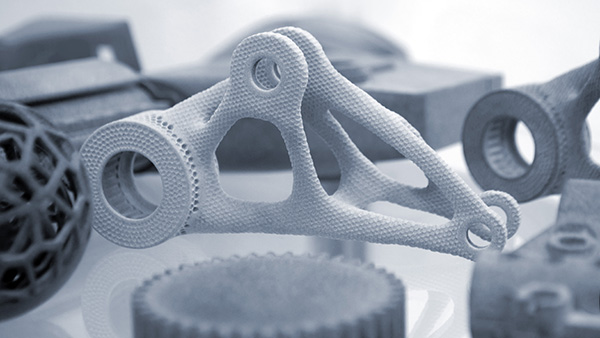
Don’t stress over learning all 3D tools; once you know one tool deeply, you can easily switch to another.
Focus on making 3D parts, assemblies, and turning them into manufacturing-ready 2D drawings complete with BOMs, balloons, tolerances, the whole deal.
If you are not sure where to start?
Check out our free AutoCAD Essentials course here and here are SoildWorks, Catia and other courses and yes you can start learning for free.
Design for manufacturing (DFM)
Now the second non negotiable skill is design for manufacturing or DFM.
Here’s a story that’ll make you cringe.
A fresh engineer once designed a beautiful part in CAD software that looked like a work of art.
Then the machinist took one look and said, “Kid, this would cost more to make than a Rolex and will take twice as long.”
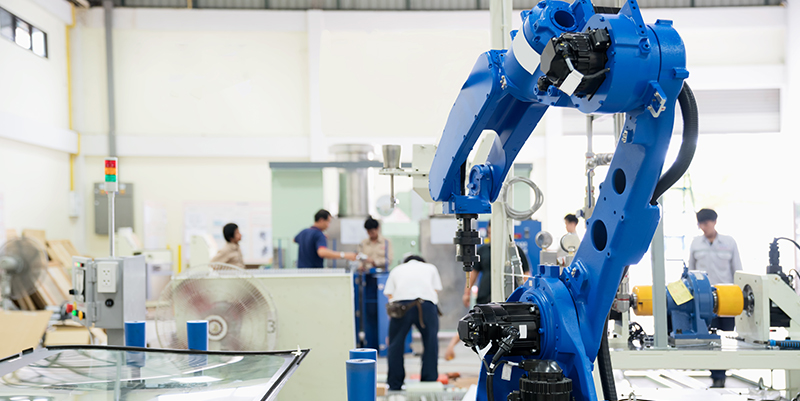
That’s the brutal difference between designing in theory and designing for reality.
Learn processes like CNC machining, sheet metal work, injection molding, casting, and 3D printing.
Understand when to use what kind of manufacturing process based on precision, stress, heat, or cost requirements of the part.
We cover all of these DFM topics extensively in our design for manufacturing series of courses here.
Engineering fundamentals
Next one in my list is engineering fundamentals like structural analysis, fluid dynamics, material science, heat transfer, thermodynamics, and machine elements.
I’m putting this third because I’m assuming you learned it in college – hopefully while you were awake.
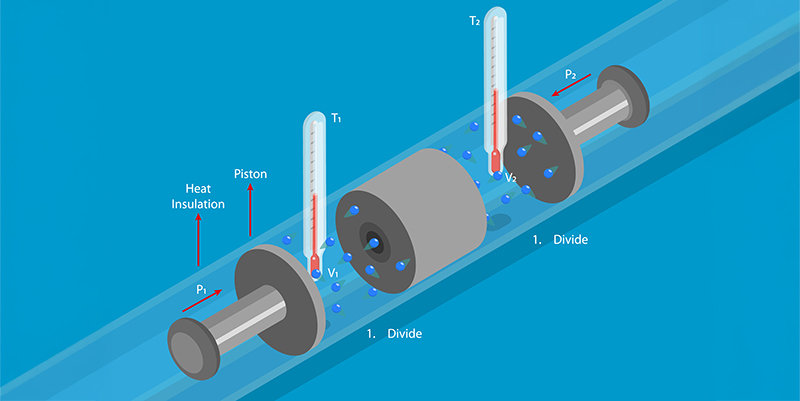
But if your engineering theory knowledge is hazier than your memory of last weekend, do a refresher on these fundamental topics.
These aren’t just academic concepts gathering dust, they’re your decision-making tools for choosing materials, thicknesses, manufacturing processes and tolerances for actual parts that you will make.
Shop floor skills
Now, next one is Shop floor skills like grinding, drilling, sand casting, and welding.
Ever watched “Undercover Boss”?
Learning these skills is kind of like that.
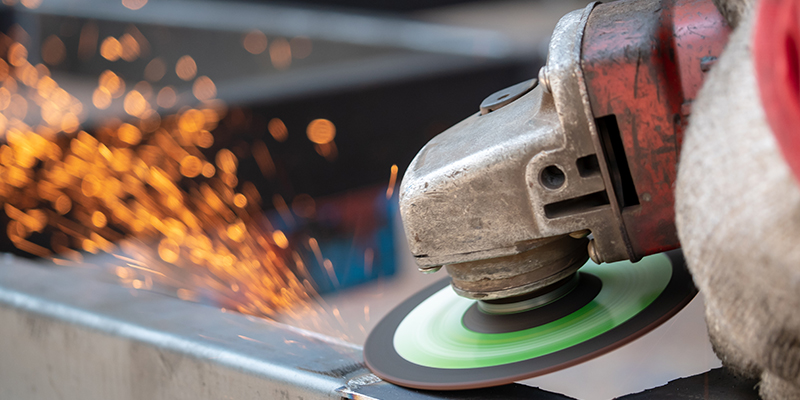
The executives who succeed are those who understand what happens on the shop floor.
Learning grinding, drilling, sand casting, and welding isn’t about becoming a machinist – it’s about speaking the same language as the people who’ll make your designs real.
Once you learn these shop floor skills you’ll speak the shop floor’s language, understand real-world limitations, and avoid embarrassing mistakes like specifying impossible geometries or ridiculous tolerances.
Geometric dimensioning and tolerancing (GD&T)
Now let’s move to the next non negotiable skill and that is GD&T or Geometric Dimensioning and Tolerancing.
GD&T is the universal language of manufacturing.
It’s how you tell the manufacturer to make a part exactly like you want leaving no room for ambiguity in dimensions.
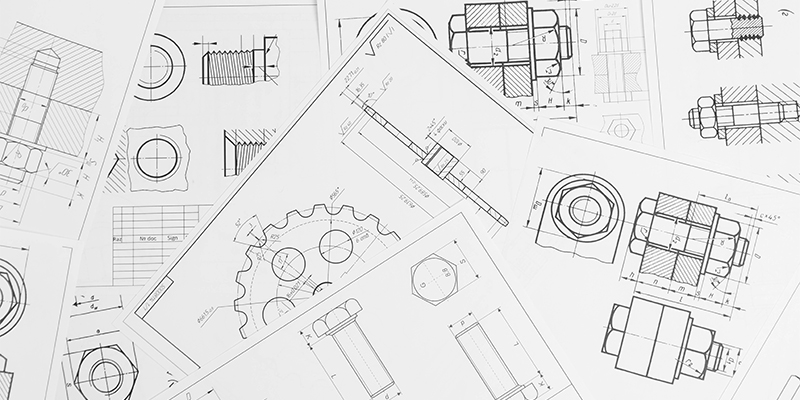
If you’ve ever skimmed job descriptions for mechanical engineers, you’ll see GD&T everywhere.
So, start with the basics of GD&T as per ASME Y14.5.
Learn the symbols, datums, feature control frames then move into tolerance stack-up calculations.
Think of tolerances like cooking instructions. Too vague and you get inconsistent results.
Too precise and it becomes unnecessarily expensive.
Microsoft Excel
Now, the next in my list is a skill that might surprise you and its Microsoft Excel.
Do you think Excel is just for accountants?
Think again.
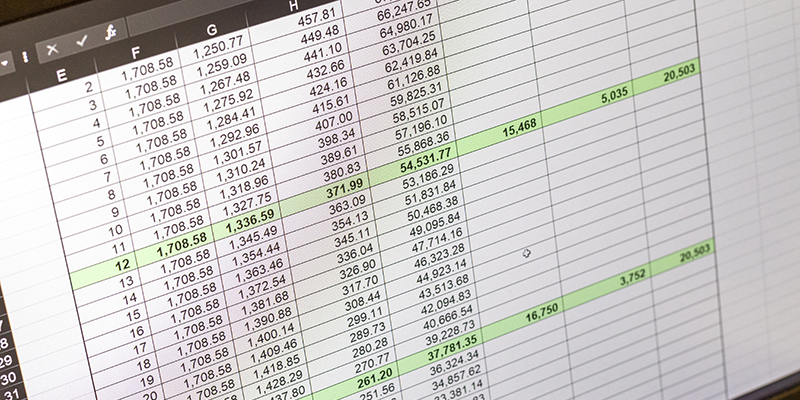
Mechanical engineers use it for stress-strain tables, safety factor calculators, heat transfer models, shaft torsion tools, BOMs, reports you name it.
You don’t need to be an Excel wizard, but you do need to know the essentials. Excel is the duct tape of engineering.
Not glamorous, but it fixes everything.
Finally the last non negotiable skill is Soft skills like clear communication, active listening, a positive attitude, willingness to learn under pressure, and team collaboration.
Here’s what nobody tells you: Technical skills get you in the door, but soft skills get you the job.
These are the skills that got me my first job even when I wasn’t the most technically qualified.
If you are fresher employers can sniff out team players by looking at your group project experience or club participation during your college time.
Now let’s talk about the skills that’ll broaden your appeal – the nice-to-haves that make you stand out.
FEA and CFD tools
And the first one in this list is FEA and CFD Tools.
Imagine designing a sleek new part and then using software to see exactly where it might crack, warp, or fail under pressure before anyone cuts metal.

That’s the power of Finite Element Analysis (FEA) and Computational Fluid Dynamics (CFD). You’ll simulate real-world stresses, heat flows, and fluid movements to optimize designs for safety and cost.
While ANSYS is a major player, many CAD platforms (like SolidWorks or Creo) have built-in simulation tools.
So, master one deeply because once you know the principles, switching software is relatively easy.
Programming and Macros
With that let’s go to the next one and this one is Programming skill like Python, MATLAB and Macros.
Learning these skills will turn you from a designer to a problem-solver.

Learning to automate tasks with Excel or SolidWorks macros saves hours of manual work.
With Python or MATLAB, you can process and analyze huge data sets like results from thermal tests or vibration analyses.
You can even set up optimization loops to automatically find the best design parameters for cost and safety.
In short: programming makes you faster and smarter at your work.
Failure Modes and Effects Analysis (FMEA)
Now the next one is Troubleshooting plus Failure Modes and Effects Analysis (FMEA).
Things break.
Systems fail.
Designs don’t always work perfectly the first time.
That’s where troubleshooting and FMEA come in.
You’ll use these skills to predict and prevent failures in product design, identify issues on the manufacturing floor, improve equipment reliability during maintenance, and assess risks in real-world applications.
These are the “problem detective” skills that make you invaluable to any team.
Lean Manufacturing and Six Sigma
Now let’s talk about the next nice to have skill which is Lean Manufacturing and Six Sigma.
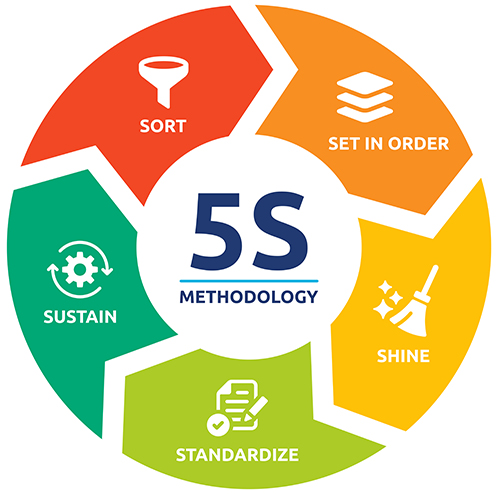
Using these skills you can streamline production, cut waste, and boost quality?
With Lean’s five principles (define value, map the value stream, create flow, establish pull, pursue perfection) and Six Sigma’s DMAIC process (Define, Measure, Analyze, Improve, Control), you can reduce defects, eliminate bottlenecks, improve supply chains, and even optimize administrative workflows.
Mastering these can make you the go-to person for process improvements.
Job-Specific or Company-Specific Knowledge
And finally, this one is your secret weapon and it is Job-Specific or Company-Specific Knowledge.
Tailor your CV to match the specific needs of the job and learn the skills that are mentioned there.
As an example, when analyzing job postings for mechanical engineers for this video I found one role from AECOM which required the person to design high capacity valves and mechanical or hydraulic gates.
If you know about these things great if not learn as much as you can about these specific valves and gates and then show it in your CV as well.
If you show in your application that you understand the company’s niche products or systems, you’ll rocket to the top of the candidate list.
Finally, I want to mention this…
You don’t have to be a master of everything that I mentioned here.
Focus first on the core non-negotiable skills, then gradually add specialized ones based on where you want your career to go.
So, there you have it – your complete roadmap from fresh graduate to job-ready engineer.
What skills are you focusing on right now?
Which topic should I cover in the next video?
Let me know in the comments down below and I will see you in the next one.