The actual AutoCAD system requirements
If you check the official Autodesk website for system requirements, it says that 8 GB of RAM is “enough” for you to get started with AutoCAD. Well…
If you check the official Autodesk website for system requirements, it says that 8 GB of RAM is “enough” for you to get started with AutoCAD.
Well, technically it is, but practically? It is a whole together different story.
There is nothing worse than getting a computer at work or buying one based on the “minimum requirements” only to find out it lags the moment you try to add a hatch pattern or open a slightly larger drawing.
It is money down the drain and incredibly frustrating.
In fact, as a community, we get this question asked constantly: “How much power do I really need?”
And as with most such questions, the answer isn’t as straightforward; it depends entirely on your use of AutoCAD.
In this article, we’ll share the official system requirements for AutoCAD 2025.
But more importantly, we will break down the real-world specs you need so you don’t overspend on hardware you don’t need or, worse, underspend on a machine that can’t do the job.
What Are System Requirements?
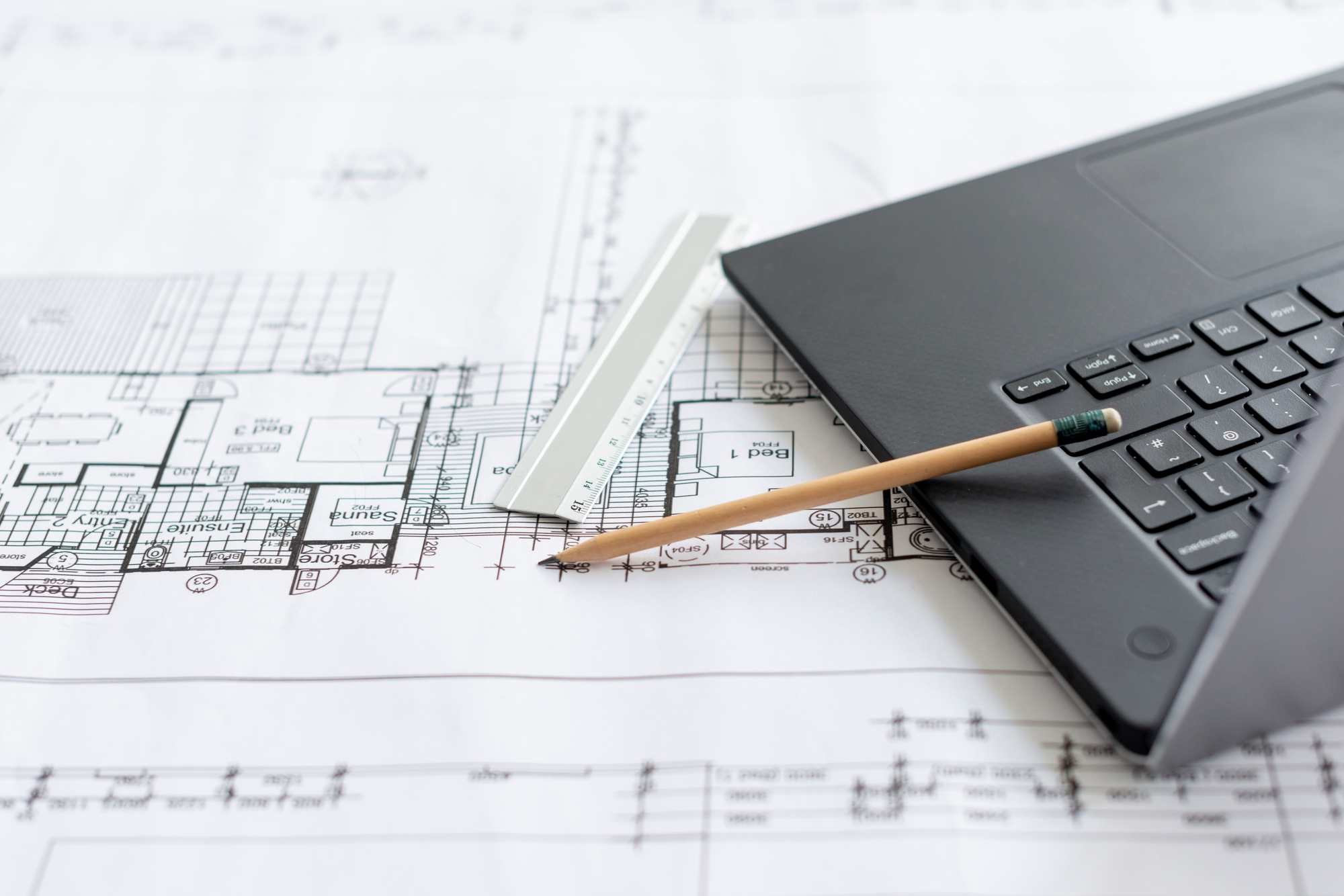
Before we dive into the specific components, let’s define the things we’re actually looking at.
The minimum requirements are akin to “survival mode” specs for your system.
It means AutoCAD will open and run, but if you try to work on a large file or render a 3D model, you will struggle considerably. The recommended requirement is the “thrive mode.”
This is the level at which the software runs well with your setup.
It executes AutoCAD commands instantly, feels responsive, doesn’t crash constantly, and lets you multitask as well.
The Official Specs (What Autodesk Says)
Let’s start with the baseline.
If you look at the documentation for AutoCAD 2025, this is what is officially supported.
Components | Basic Requirement | Recommended Requirement |
Operating System | 64-bit Windows 11 or Windows 10 (version 1809+) | Windows 11 |
Processor | 2.5–2.9 GHz processor (Base) | 3+ GHz processor (Base), 4+ GHz (Turbo) |
Memory (RAM) | 8 GB | 32 GB |
Display Resolution | 1920 x 1080 | 3840 x 2160 (4K) |
Graphics Card | 2 GB GPU (DirectX 11) | 8 GB GPU (DirectX 12) |
Disk Space | 10.0 GB (SSD Suggested) | 10.0 GB (SSD Suggested) |
Note for Mac Users: AutoCAD for Mac requires macOS Sequoia (v15), Sonoma (v14), Ventura (v13), or Monterey (v12).
Apple M-series chips (M1/M2/M3) are fully supported and highly recommended!
AutoCAD Requirements: Simply Explained
Now, let’s translate the number we saw above into real-world performance.
What do these components actually do for your drafting
The Processor: The Heart of the Machine
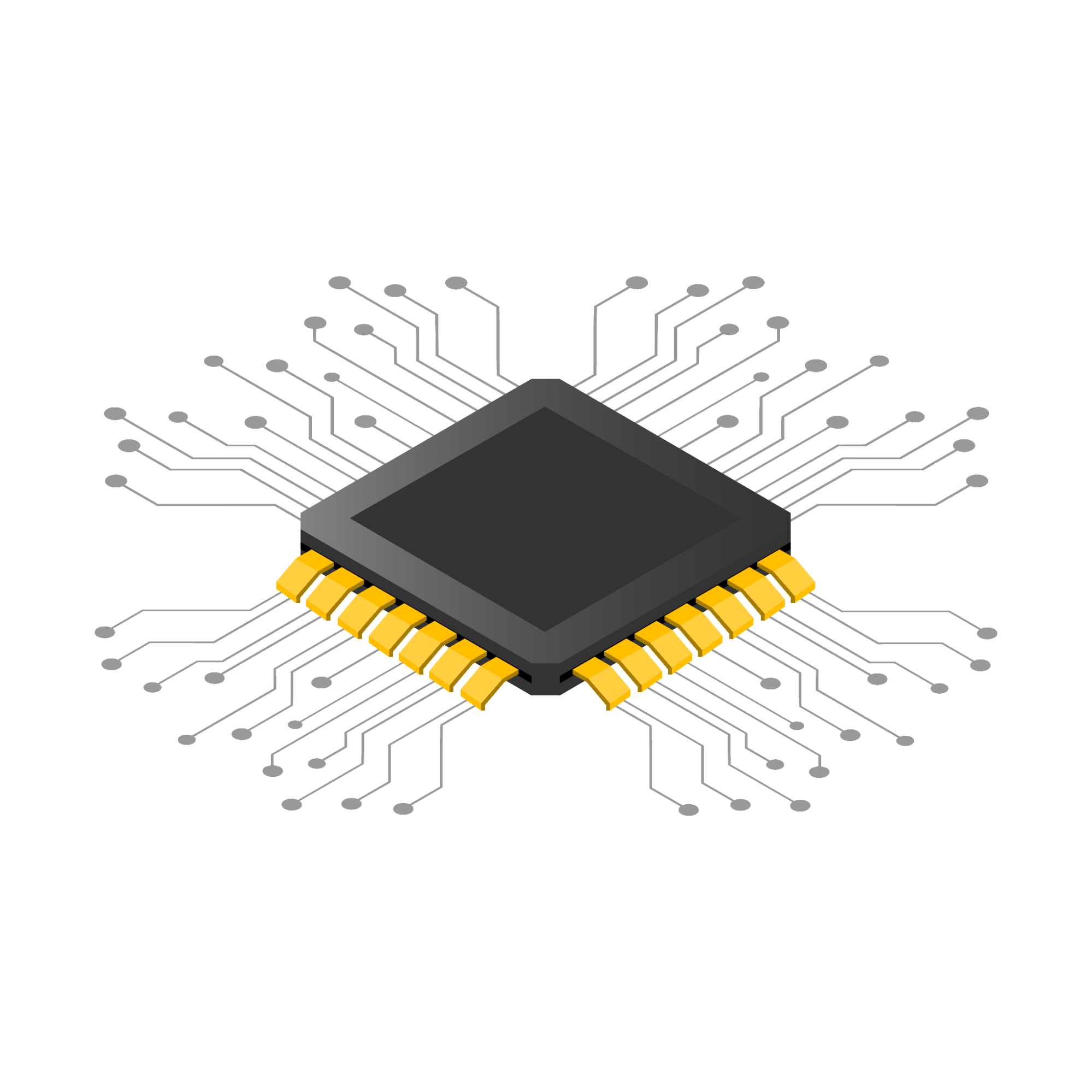
The CPU (Central Processing Unit) in your computer is similar to the conductor of an orchestra.
It tells every other component in your personal computer what to do.
The Golden Rule for AutoCAD is simple: Single-Core Speed is King.
At its core, AutoCAD is a single-threaded application, meaning most of the tasks you do in it are processed sequentially, one after the other.
As a result, when in use, for almost 90% of your tasks, like drawing lines, regenerating views, and moving objects, it uses only one core of your processor.
Having 64 cores won’t help you draft faster; having 8 super-fast cores will.
What to look for: Look for a processor with a high “Turbo Boost” speed (4 GHz or higher). Intel Core i7/i9 or AMD Ryzen 7/9 are usually your best choices.
Memory (RAM): The Multitasker
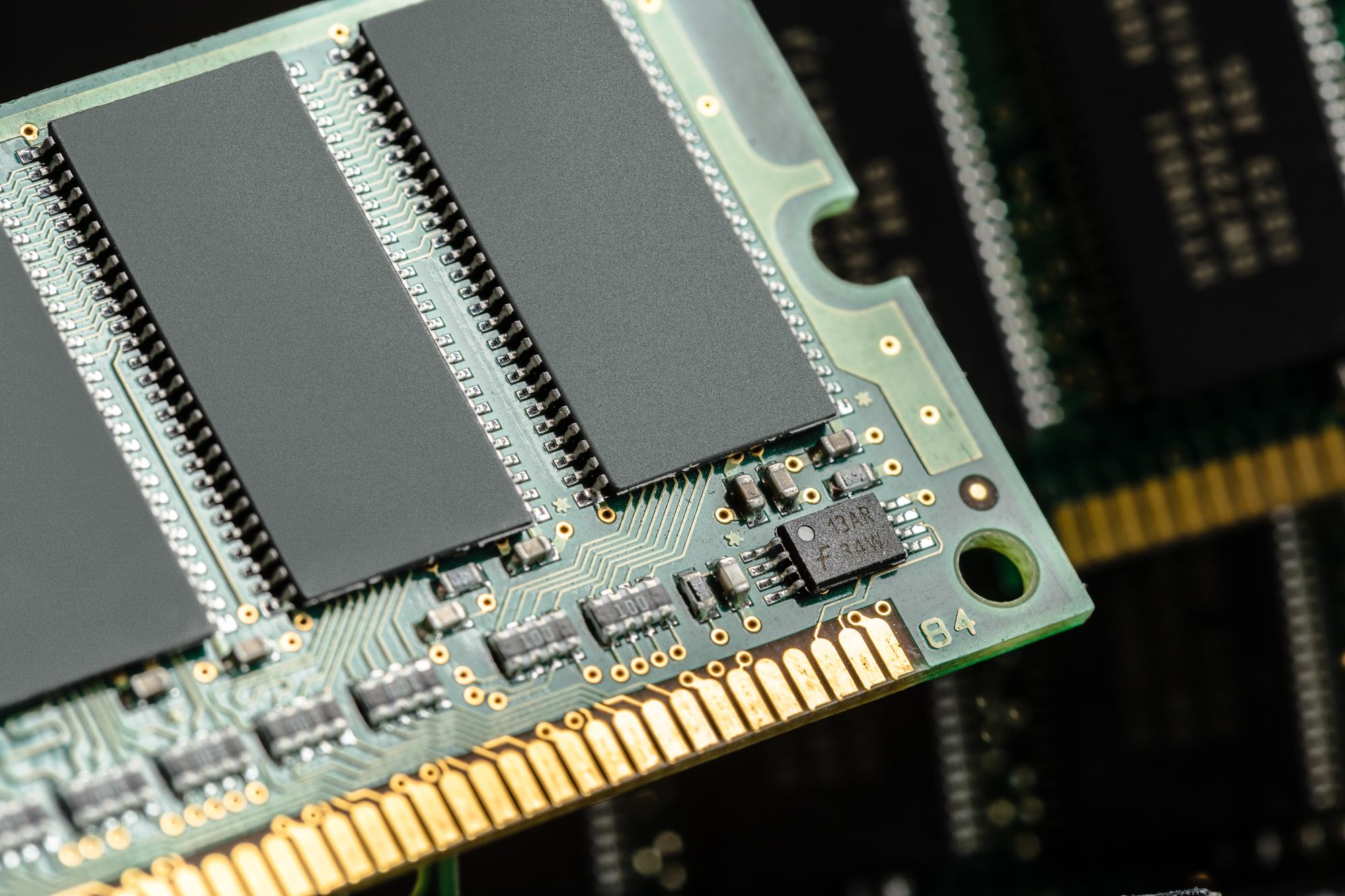
RAM (Random Access Memory) is your computer’s short-term working memory.
Each application requires RAM to temporarily store information during active use.
RAM allows your computer to open multiple programs at the same time without faltering.
More RAM means more apps, and faster RAM means better app performance.
Thing to Remember: When AutoCAD runs out of RAM, it starts using your hard drive as temporary memory.
It is painfully slow and affects your overall workflow.
Our Recommendation: While Autodesk says 8 GB is the minimum, we strongly suggest treating 16 GB as the absolute floor.
If you do any 3D work, 32 GB is the new standard.
Furthermore, if your budget allows for it, we recommend opting for DDR5 RAM; otherwise, choose DDR4 RAM with a speed of more than 3200 MHz.
Graphics Card: Seeing is Believing
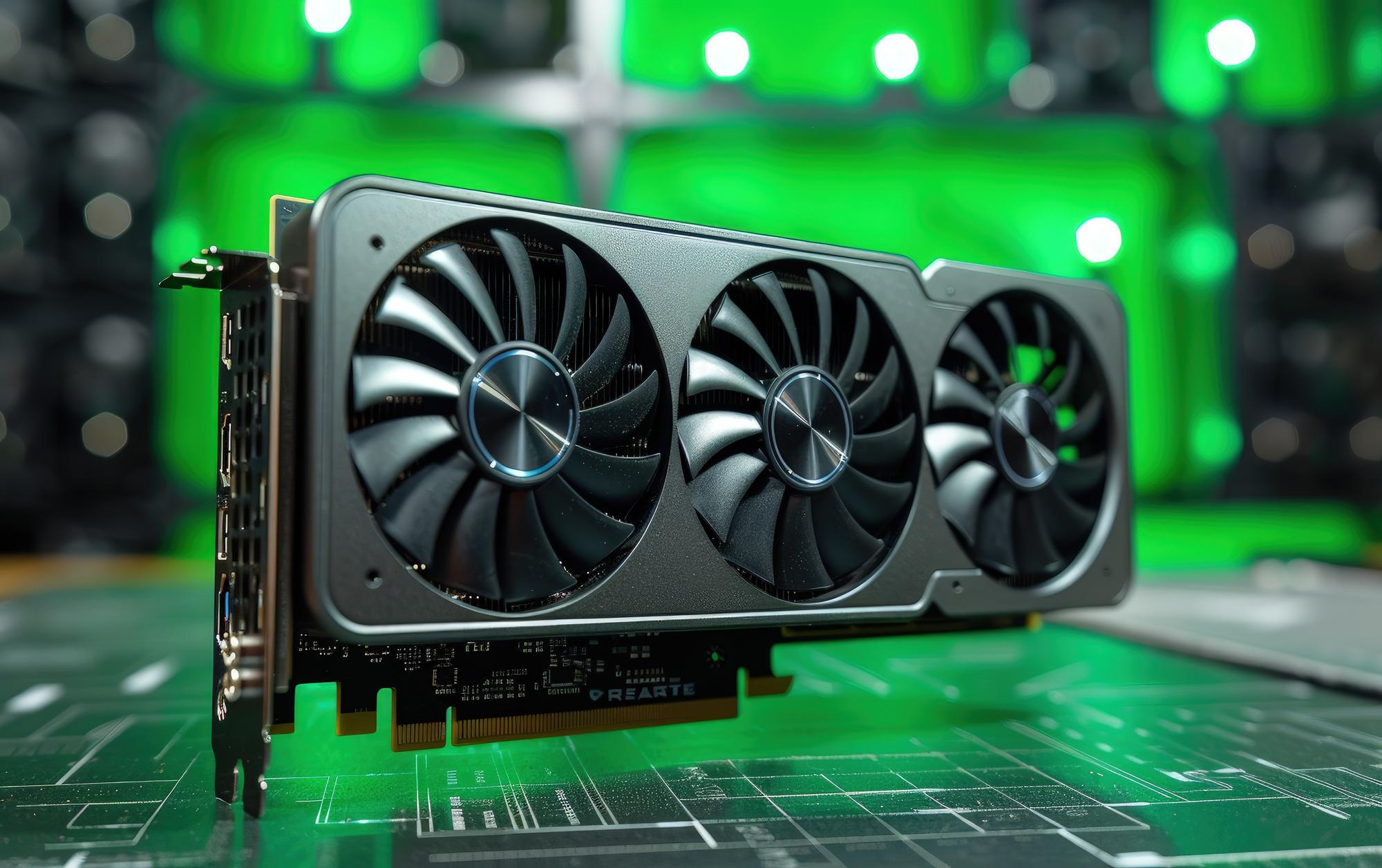
The CPU is responsible for the operations, and the GPU (Graphics Processing Unit) is responsible for the visuals.
The GPU handles the zooming, panning, and orbiting of your model.
There are mainly two configurations available for GPUs in computers
Integrated vs. Dedicated:
○ Integrated Graphics: Built into the CPU. Fine for students doing simple 2D layouts.
○ Dedicated Graphics: A separate card (like the NVIDIA RTX series). Essential for 3D modeling, point clouds, and large assemblies.
The VRAM Factor: The “recommended” specs now call for an 8 GB GPU.
This is a significant jump from previous years, reflecting how much heavier modern display tasks have become.
Storage: Quick on the Draw
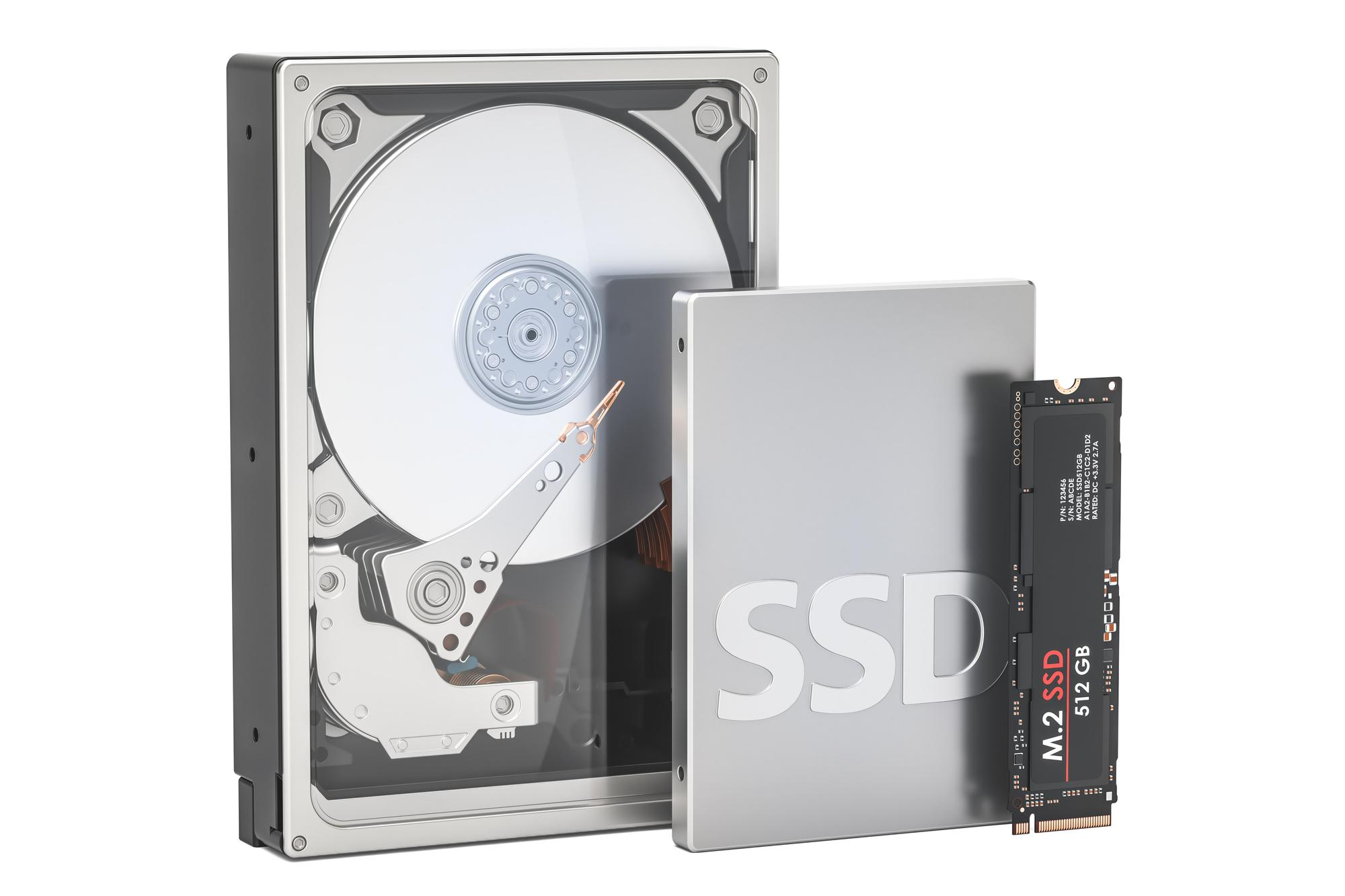
This is the easiest upgrade you can make.
HDD (Hard Disk Drive): Old school, spinning platters. Cheap but slow.
SSD (Solid State Drive): New school, flash memory. Super fast.
Never install AutoCAD on an HDD.
Always use an SSD.
It reduces the time it takes to open the software from 30 seconds to 5 seconds.
It makes saving files instantaneous. Autodesk recommends 10 GB of free space, but in reality, you want at least a 512 GB SSD to hold your OS, software, and project files comfortably.
Which Setup Is Right for You?
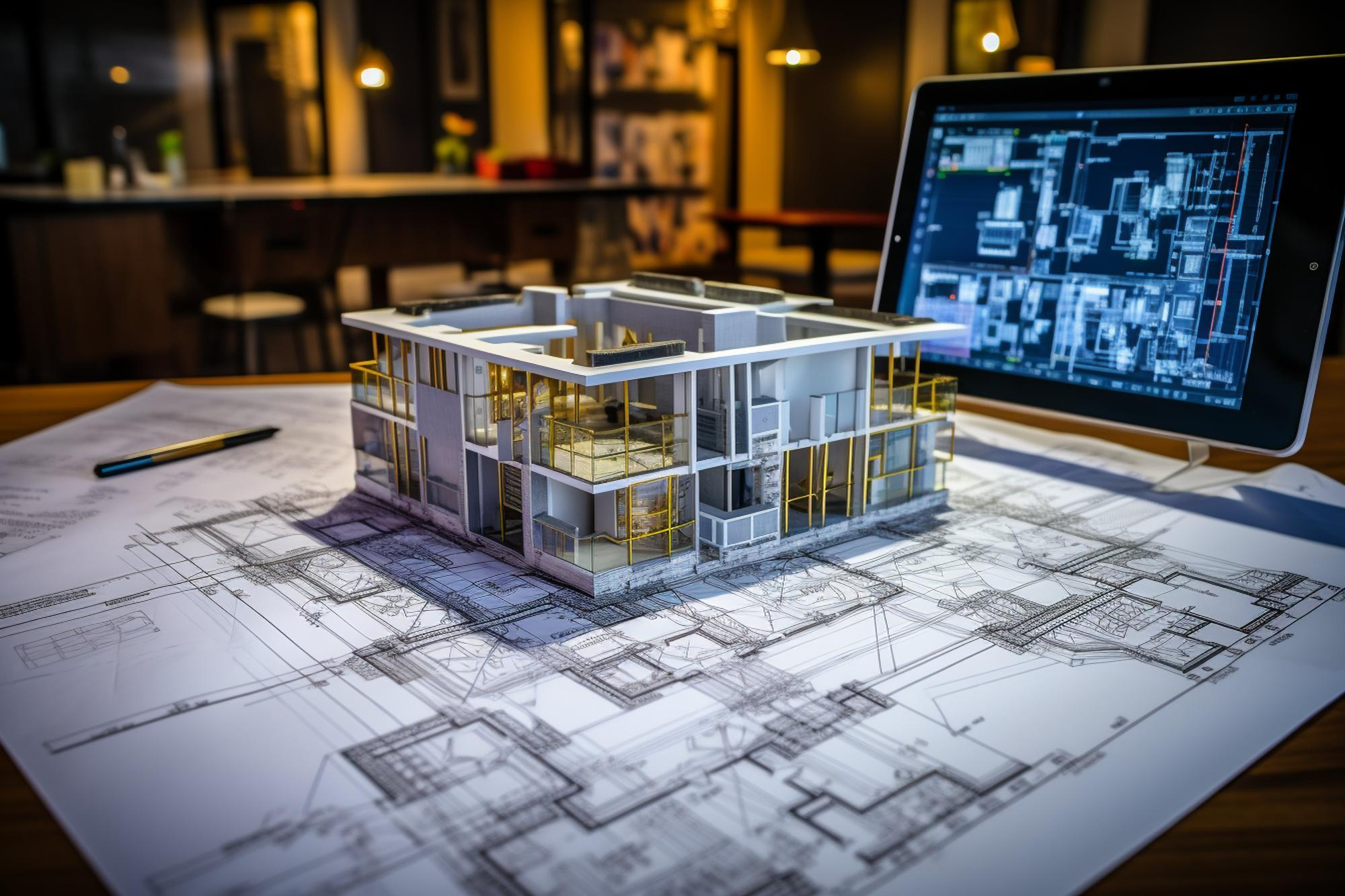
AutoCAD is versatile software, and not everyone who uses it will be drafting a building plan in it.
For some users, like students in academia, a basic setup will be alright, while for more power users, they’ll need a super-PC.
It can be tough figuring out the right computer setup for AutoCAD for everyone.
To make things easier, we’ve broken down AutoCAD users into a few basic types, and we’ll offer some broad yet tailored suggestions for each. Let’s dive in.
1. The Student/2D Drafter
If you are strictly doing 2D floor plans or learning the basics, you don’t need to break the bank.
Target: Intel i5 / Ryzen 5, 16 GB RAM, 512 GB SSD, integrated graphics (or entry-level dedicated graphics).
2. The “Professional / 3D Modeler”
If you are using AutoCAD 3D, Civil 3D, or dealing with massive Xrefs (external references).
Target: Intel i7 / Ryzen 7, 32 GB RAM, 1 TB SSD, NVIDIA RTX 4060 (or higher).
3. The Power User
If you are working with LiDAR scans or photorealistic rendering.
Target: Intel i9, 64 GB RAM, 2 TB SSD, NVIDIA RTX 4000 Ada Generation, or top-tier GeForce cards.
Frequently Asked Questions (FAQ)
Can I use a gaming laptop for AutoCAD?
Yes, you absolutely can.
In fact, most gaming laptops are often a cost-effective way to get high performance with AutoCAD.
They prioritize faster processors and strong graphic cards—two things that AutoCAD needs.
The only downside here is the shorter battery life that comes with them.
Oh, and also some gaming laptops can go over the top with their RGB and flashy designs, which might not look “professional” in client meetings.
Is a Mac good for AutoCAD?
Yes, but with caveats.
AutoCAD for Mac is robust, and the new Apple Silicon (M1/M2/M3) chips perform incredibly well.
However, the interface is different from the Windows version, and some niche specialized toolsets (like Electrical or MEP) are not available on Mac.
If your industry standard is Windows, it’s usually safer to stick with it.
Do I need a “Workstation” card (Quadro) or a “Gaming” card (GeForce)?
For 95% of users, a standard “gaming” card (NVIDIA GeForce RTX series) is perfect.
They are relatively cheaper and powerful. “Workstation” cards (formerly Quadro, now RTX A-series) are certified by Autodesk for maximum stability, but they cost significantly more.
Summary
We, being a platform for AutoCAD training, know several users who have this question about AutoCAD’s system requirements.
And after working over 10 years now with different versions of AutoCAD and thousands of students, our recommendation comes well vetted.
Choosing the right hardware is an investment in your own productivity.
A slow computer will waste your time and money and cause headaches while breaking your creative flow. These costs will in turn hamper your project capacity.
To sum it all up, if you are on a budget, choose a single-core faster processor (CPU) and high-capacity RAM over a fancy graphics card.
Remember, a fast single-core processor and 32 GB of RAM will make your day-to-day drafting feel snappy and responsive.
Additionally, get an SSD, even if it’s the one with 512 GB storage.
An SSD will greatly improve your AutoCAD responsiveness and make the overall operating system feel smoother as well.
If you have any questions related to your setup, need any further clarification, or want help with configuring your AutoCAD system, just let us know in the comments below.